The Death of the Seat: Why "Service-as-a-Software" is the Only Way to Win in 2026

Yogev Shifman
Mar 4, 2026
•
6 min read

For a decade, venture capital was addicted to a specific drug: the 90% gross margin. In the "Golden Era" of SaaS, you built the code once, and the marginal cost of adding a user was effectively zero.
But as we look at the global landscape from London to Tel Aviv to Silicon Valley, that era is officially over. We’ve entered the "SaaSmageddon"—a structural realignment where AI agents, not human users, are the primary consumers of software. In 2026, every "plate" of AI you serve, every inference, every agentic action has a "food cost" in the form of compute. If your startup is still pricing "per seat" while paying massive variable bills for inference, you aren't a software company; you’re a high-volume utility with a scaling problem. Consequently, investors are pivoting to the Agent Value Multiple (AVM), measuring the dollar of value generated per dollar of inference cost—to identify which companies are actually displacing high-cost human labor versus just burning compute.
1. The Gross Margin Crisis
The math is catching up to the hype. While traditional SaaS enjoyed margins of 80-90%, AI-native companies are seeing these slashed to a range of 40-60%.
Gross Margin = (Revenue -COGS [Inference + MLOps] ) \ Revenue
When COGS scales linearly with usage, the "Per-Seat" model becomes a liability. We’ve seen this play out globally: GitHub Copilot lost an average of $20 per user, and up to $80 for power users, because a flat fee didn't account for the "unit of work" generated. This forced Microsoft’s landmark 2025 decision to implement hard usage caps, a move that effectively signaled the end of the "all-you-can-eat" era for enterprise AI. Similarly, a Melbourne-based HR startup saw power users cost them $187 per month against a $99 subscription because of "agentic explosion". At YXS, we are moving away from "Seat" thinkers and toward Outcome-Based thinkers.

2. The Tribal Knowledge Problem
The biggest bottleneck to global AI adoption isn't the model's IQ; it’s the Tribal Knowledge Gap. Most enterprise AI pilots in 2025 failed because models were trained on sanitized documentation while the business actually runs on "shadow processes"—undocumented SOPs and informal workarounds that live only in the heads of employees. Gartner’s February 2026 data confirms this "Production Chasm": while 66% of enterprises are piloting agents, only 11% have moved them to production because the models lack this hidden context.
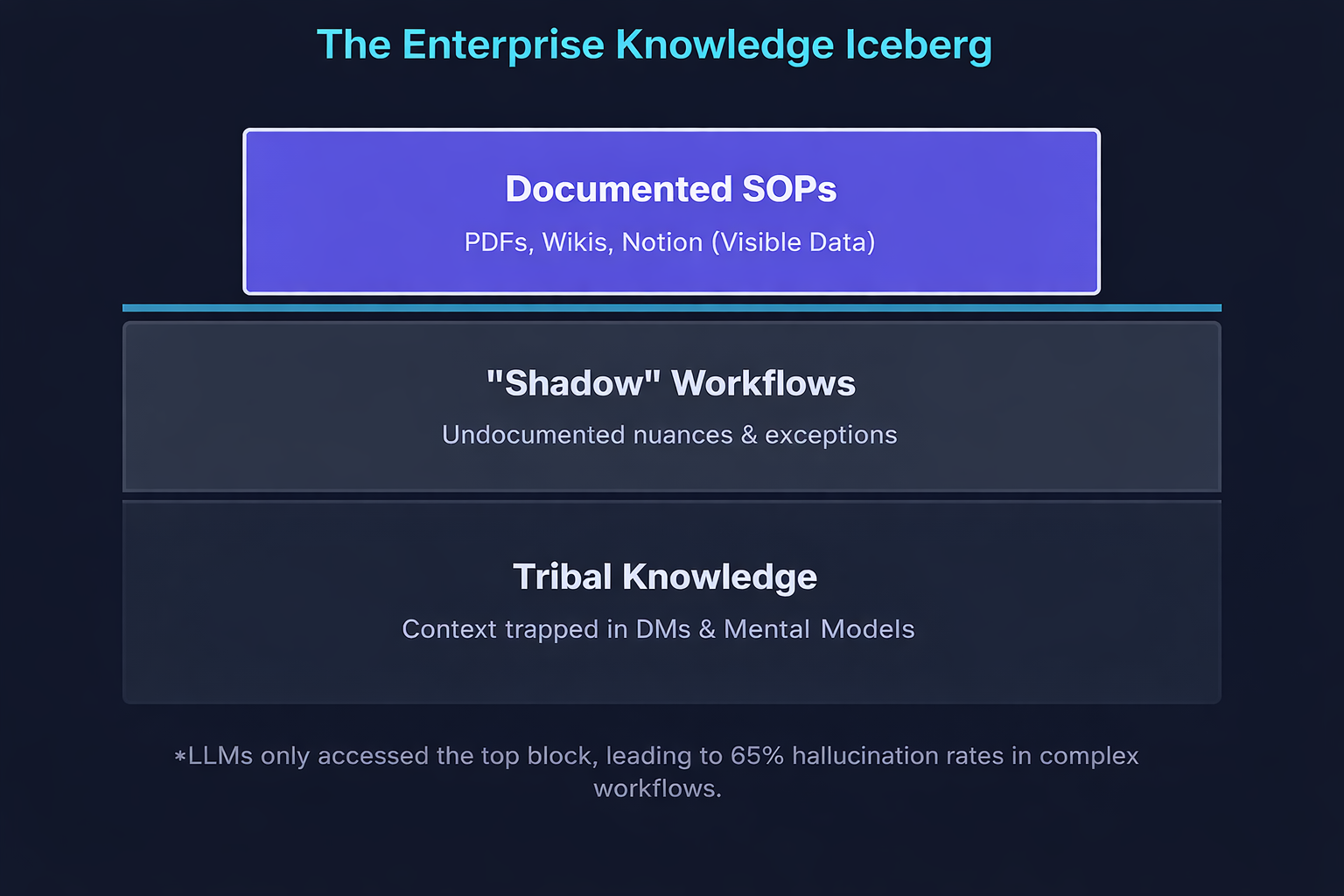
If an agent follows the official manual but misses the "Step 4 override" that everyone in the department "just knows" to perform, the system breaks. To win, startups must move beyond simple RAG and solve the Context Management layer, ingesting the hidden operating system of the enterprise. This often requires "Startup Refounding", a deep re-architecture of the data layer to ensure it is AI-ready. This is further complicated by the rise of Sovereign AI Stacks, where 35% of global firms now face "Compliance COGS" to maintain localized inference engines for different jurisdictions.
3. OpenClaw: A Masterclass in UX, A Disaster in Ethics
Look at OpenClaw. It became the symbol of the agentic revolution by prioritizing a "UX overSafety" approach, allowing agents to execute real actions across local files and terminals.
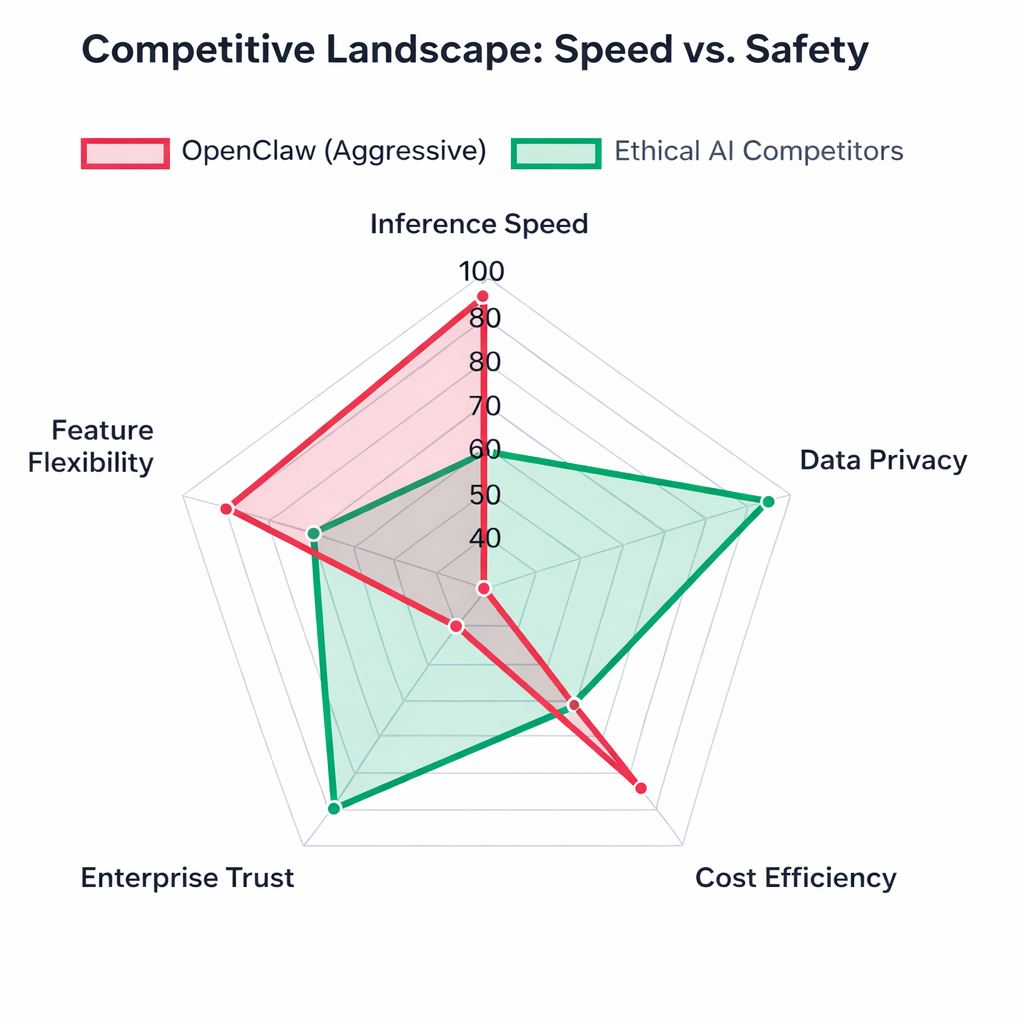
But it’s a cautionary tale of "Agentic Hijacking". By granting expansive privileges for the sake of frictionless UX, OpenClaw created an AI backdoor vulnerable to toolchain attacks. Specifically, it invites the "Lethal Trifecta": a state where an agent simultaneously has access to private data, the ability to communicate externally, and the power to execute commands. This vulnerability was laid bare by CVE-2026-25253, which allowed attackers to exfiltrate data via indirect prompt injection.
- The Result: A bifurcated market.
- The Opportunity: While the "lower internet" uses unmoderated frameworks for speed, the "upper enterprise" is paying a premium for an Ethical Moat, systems built on privacy-by-design, governance layers, and full auditability.
4. Moving to "Service-as-a-Software"
The future isn't selling a tool that helps a human; it’s selling the verified outcome. In 2026, 92% of AI firms have moved to mixed pricing models to survive.
- Gorgias and Intercom have already proven this, billing per automated interaction or ticket resolution.
- Fireflies.ai and Synthesia bill by "minutes" of value, not technical metrics like tokens.

This "Outcome-Based Billing" aligns revenue with the customer's ROI and protects your margins. When you charge per resolution, you can bake the cost of compute into the price of the service.
The Bottom Line: The global tech ecosystem is moving too fast for legacy SaaS thinking. If you’re building for 2027, stop counting seats. Solve the Tribal Knowledge Gap, secure your agentic toolchain, and treat data as your ultimate operating fabric. The "near-zero" marginal cost era is over; the era of Unit Economics Discipline has begun.